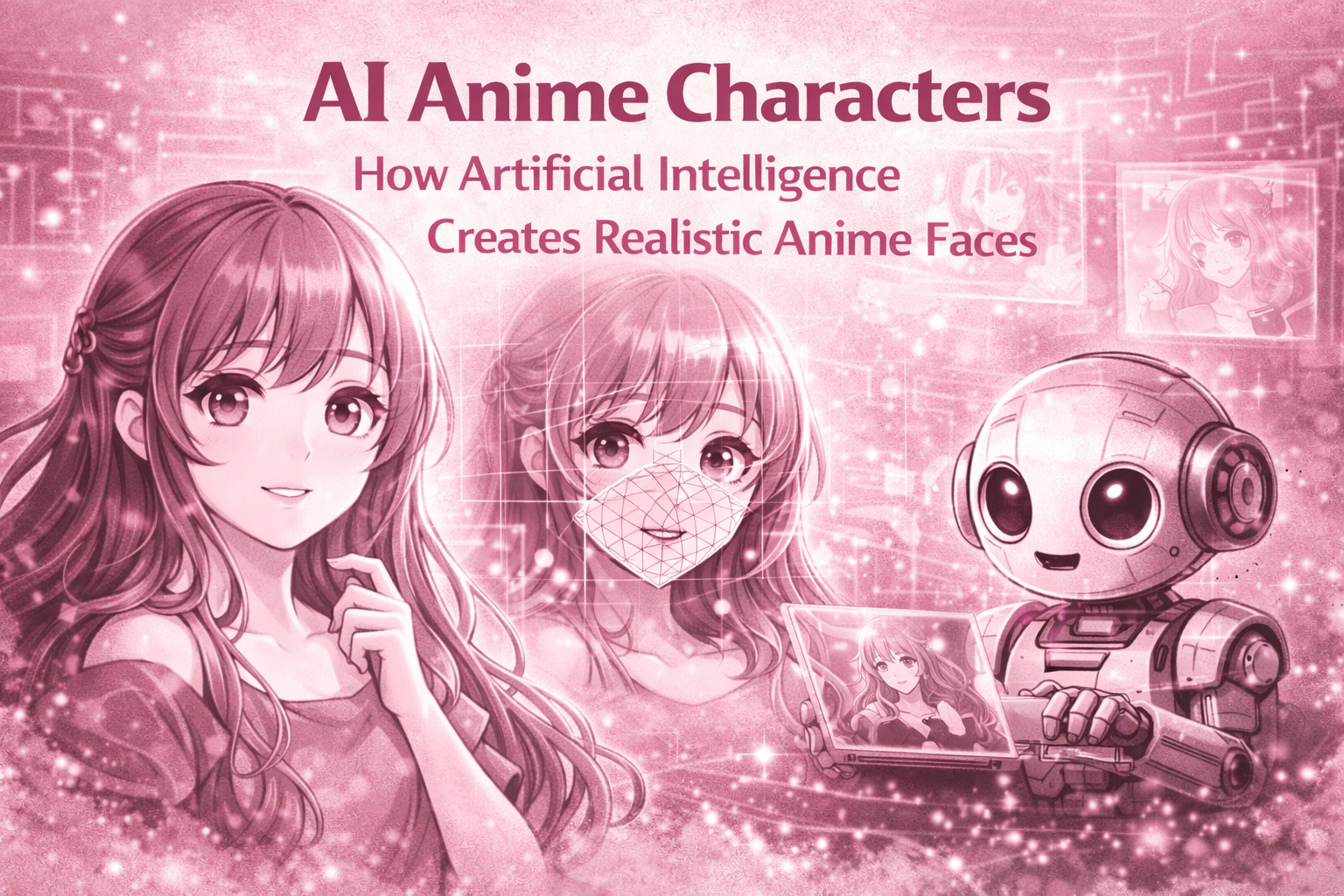
AI Anime Characters: How Artificial Intelligence Creates Realistic Anime Faces
Anime characters are known for their expressive eyes, detailed facial features, and emotional depth. Traditionally, creating realistic anime faces required years of artistic practice and deep knowledge of anatomy, shading, and style. In 2026, Artificial Intelligence has completely changed this process.
Today, AI can generate highly realistic anime faces that rival professional artwork. From subtle emotions to consistent character designs, AI anime character generation has reached a level that is reshaping anime creation, gaming, and digital content.
This article explains how AI creates realistic anime faces, the technology behind it, and why this trend is dominating the anime industry.
What Are AI Anime Characters?
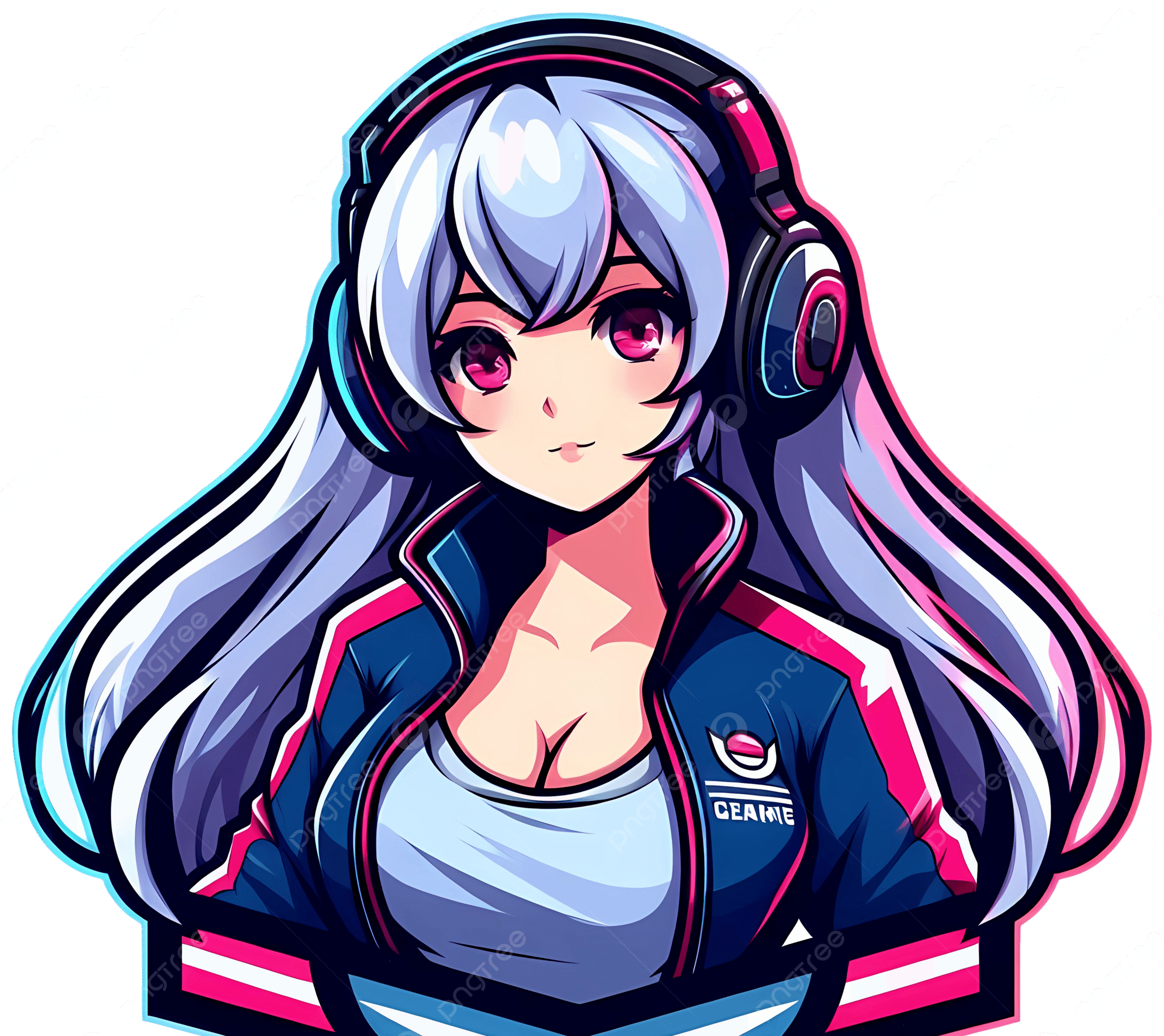
AI anime characters are digitally generated characters created using artificial intelligence models trained on large datasets of anime-style artwork. These characters are not copied from existing anime—they are new, original faces generated based on learned visual patterns.
AI can generate:
- Anime faces
- Full-body characters
- Emotional expressions
- Multiple poses
- Consistent character styles
Why Realistic Anime Faces Matter
Realistic anime faces are important because they:
- Create emotional connection
- Improve storytelling
- Increase viewer engagement
- Look more professional
- Perform better in monetized content
Whether it’s a YouTube thumbnail, game character, or anime video, facial realism directly impacts success.
How AI Creates Realistic Anime Faces (Step-by-Step)
Let’s break down the process in simple terms.
1. Training on Massive Anime Datasets
AI models are trained on millions of anime-style images, including:
- Facial structures
- Eye shapes
- Hair styles
- Expressions
- Lighting styles
Through this training, AI learns what makes an anime face look natural, attractive, and expressive.
2. Understanding Facial Anatomy (Anime Style)
AI doesn’t just copy images—it understands patterns.
It learns:
- Eye-to-face proportions
- Nose and mouth placement
- Jawline structure
- Face symmetry
This allows AI to create faces that feel balanced and realistic, even in stylized anime designs.
3. Advanced Eye & Expression Generation
Eyes are the most important part of anime faces.
AI excels at generating:
- Large expressive eyes
- Natural highlights
- Emotional depth (happy, sad, angry, surprised)
Modern AI models can adjust micro-expressions that make characters feel alive.
4. Skin Shading & Lighting Techniques
Realism comes from lighting.
AI applies:
- Soft skin shading
- Natural color gradients
- Cinematic lighting
- Shadow depth
This creates anime faces that feel 3D and polished, not flat or artificial.
5. Hair Detail & Movement Style
Anime hair is complex.
AI generates:
- Layered hair strands
- Natural flow and volume
- Light reflection
- Style consistency
This adds realism without losing the anime aesthetic.
6. Prompt-Based Customization
Users control AI using text prompts.
Example:
“Realistic anime girl with soft lighting, detailed eyes, natural skin tone, gentle smile, cinematic anime style”
The more precise the prompt, the more realistic the face.
7. Consistency Through Reference Images
Advanced AI tools allow character consistency.
This means:
- Same face across multiple images
- Same expressions with variations
- Ideal for storytelling and series
This was nearly impossible for beginners before AI.
AI Technologies Behind Realistic Anime Faces
Several technologies work together:
- Deep learning neural networks
- Diffusion models
- Image-to-image transformation
- Style fine-tuning
- Face enhancement algorithms
These systems continuously improve with every update.
Best AI Tools for Creating Realistic Anime Faces
Popular AI tools known for facial realism include:
- Anime-focused AI image generators
- Custom-trained anime models
- High-resolution diffusion tools
Most paid tools provide:
- Better face detail
- Higher resolution
- Commercial usage rights
AI vs Traditional Artists: Facial Realism Comparison
AI Strengths
- Perfect symmetry
- Fast generation
- Multiple variations instantly
- Consistent quality
Human Artist Strengths
- Emotional storytelling
- Artistic intuition
- Unique personal style
In 2026, AI matches or exceeds technical facial realism, while humans excel at creative depth.
Where AI Anime Faces Are Used Today
AI-generated anime faces are used in:
- YouTube thumbnails
- Anime storytelling videos
- Gaming characters
- Visual novels
- VTuber avatars
- Marketing creatives
This wide usage shows how trusted AI has become.
Monetization Opportunities with AI Anime Characters
Realistic anime faces unlock income streams such as:
- Selling anime avatars
- Freelance character design
- Game asset creation
- YouTube content
- Digital art packs
Creators prefer realistic faces because they convert better.
Ethical & Copyright Considerations
To stay safe:
- Avoid copyrighted characters
- Use original prompts
- Read tool licensing terms
- Prefer paid plans for commercial work
Ethical usage builds long-term credibility.
Future of AI Anime Character Creation
In the coming years, we will see:
- Emotion-aware anime faces
- Real-time character generation
- AI anime influencers
- Interactive AI characters
Anime characters will become more lifelike and adaptive.
Final Thoughts
Artificial Intelligence has mastered one of the most challenging aspects of anime art—creating realistic faces. Through advanced training, facial understanding, and lighting techniques, AI can now produce anime characters that feel expressive, polished, and emotionally engaging.
AI is not replacing anime artists. Instead, it is giving creators a powerful new tool to bring characters to life faster and at scale.